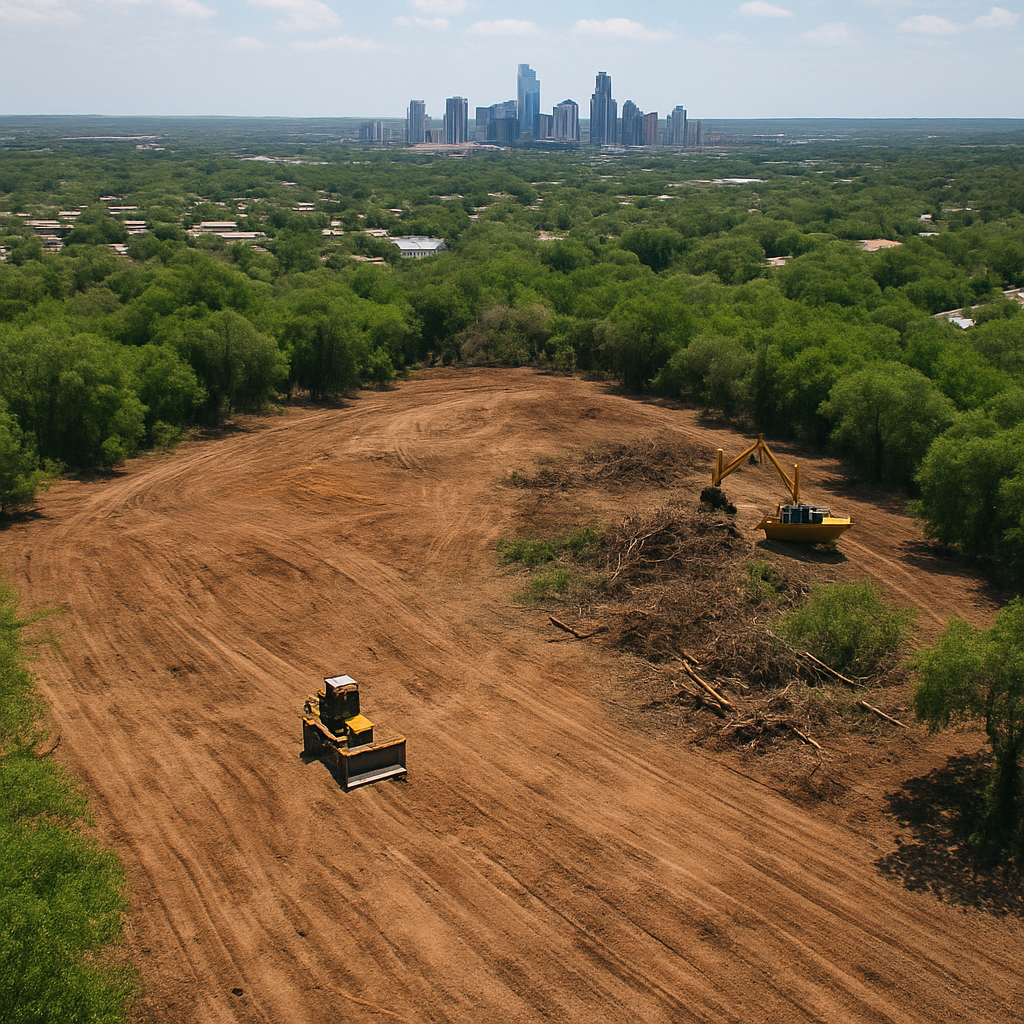
If you’re a homeowner in Central Texas preparing land for a new home, landscaping, or wildfire prevention, understanding Austin land clearing is essential. This guide answers the most common homeowner questions, shares expert land clearing tips, and explains how to ensure the process runs smoothly. By the end, you’ll know what land clearing involves, what it costs, when to do it, and why working with a professional like Texas Land Works makes all the difference.
Top Homeowner FAQs About Austin Land Clearing
What does “land clearing” actually mean for my property in Austin?
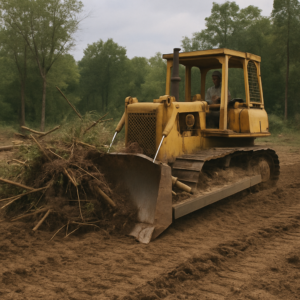
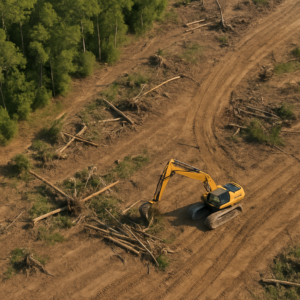
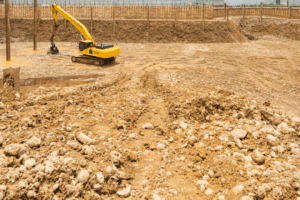
Land clearing involves removing trees, brush, stumps, rocks, and debris so the land becomes accessible and build-ready or landscape-ready. In Austin’s terrain, it’s not just tree felling: it often includes brush removal, stump grinding or root removal, rock milling in limestone-rich soils, mulching, and grading to ensure proper drainage.
How much should I expect to spend on land clearing in the Austin metro area?
One of the top Austin land clearing FAQs concerns cost—and for good reason. Prices vary widely based on terrain, vegetation type, and accessibility. For example, in the Austin region one source estimates residential clearing can cost $1,200 to $5,000 depending on complexity.
Key cost-factors include:
- Acreage and density of trees/brush
- Presence of large trees, stumps, roots
- Terrain steepness or rock content
- Access for heavy equipment
- Whether debris is mulched on-site vs hauled away
When you engage Texas Land Works, you’ll get a tailored, transparent quote representing your lot’s unique conditions.
Do I need permits or special approvals before clearing land in Austin?
Yes, especially within the City of Austin or other Central Texas jurisdictions. Homeowners must often comply with:
- Tree preservation ordinances (especially for heritage or protected trees)
- Right-of-way and sidewalk clearance (for vegetation blocking public areas)
- Erosion control and drainage plans if the site is sloped or adjacent to waterways
- Notifications or approvals if clearing near public utilities or in environmentally sensitive zones
A reputable contractor, such as Texas Land Works, will help you assess these requirements and factor compliance into your project timeline and budget.
How long will the clearing process take?
Duration depends on site size, vegetation density, equipment used, and debris removal strategy. As a rough guideline:
- Small lot (under ½ acre) with moderate brush: 1–2 days
- Medium lot (~½–1 acre) with thicker trees: 2–4 days
- Larger acreage, rocky terrain or heavy stump/rock removal: several days to a week or more
Some residential clearing services report they can clear a couple acres a day under ideal conditions using heavy forestry-mulching machinery. When you work with Texas Land Works, an on-site inspection lets them give you a realistic schedule based on your lot’s condition.
Can I selectively clear vegetation (keep certain trees or features) rather than remove everything?
Definitely. Many homeowners prefer “selective clearing” — preserving desirable trees (e.g., live oak) or specific landscape features, while removing unwanted brush (e.g., cedar, ash-juniper) that’s hard to maintain or fire-risk.
Selective clearing typically:
- Reduces cost compared to “clear everything”
- Preserves shade, aesthetic value, and property character
- Requires planning to avoid damage to roots of preserved trees
Texas Land Works offers this tailored approach, and works with you to mark which areas to preserve and which to clear.
What happens to all the debris — trees, brush, rocks, stumps?
Debris management is a big part of the job:
- Mulching in place: Trees and brush are shredded, leaving mulch that supports soil stability and erosion control.
- Stump grinding or removal: Especially important if you plan to build or landscape soon.
- Rock milling or rock removal: In limestone-rich areas around Austin, rock may need to be milled or removed for a proper build pad.
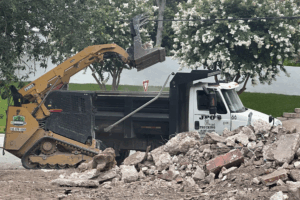
- Haul-off: If material can’t be kept on-site, debris is removed and disposed. This adds cost but may be required for build readiness.
Texas Land Works will clarify the debris plan for your job: whether mulch remains, stumps are removed, rock work required, or haul-off included.
How does land clearing affect drainage, erosion, and fire risk on my property?
Clearing impacts all three. Proper execution protects your investment and the environment:
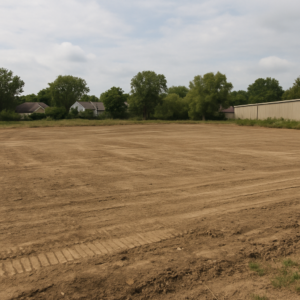
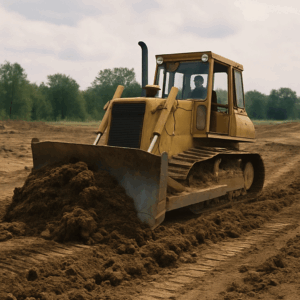
- Drainage & grading: After clearing, you must ensure water flows away from foundations and doesn’t pool. Poor grading leads to costlier issues later.
- Erosion control: Once vegetation is removed, soil is exposed. Mulch, erosion blankets or stabilization cover are often needed.
- Fire risk reduction: In Central Texas, dense cedar/brush is a major fire fuel. Clearing reduces hazard and improves safety.
Texas Land Works integrates these considerations into the clearing plan: equipment selected, site prep scheduled, and finishing touches applied.
When is the best time to clear land in Austin?
The “right time” depends on your project but consider:
- Before construction: If you’re building, clear early so grading, foundation and utilities can follow without delay.
- Dry season: Avoid excessive mud, access issues or erosion during wet spells—but very dry conditions may increase fire-risk.
- Avoid heavy rainfall or storms: Equipment access becomes difficult and cleanup is harder.
Working with Texas Land Works, you’ll get scheduling aligned with weather patterns, your build timeline, and the site’s condition.
Selecting the right contractor is critical. Key criteria:
What should I look for when choosing a land clearing contractor in Austin?
- Local expertise: Familiarity with Austin’s terrain, soils, vegetation, rock conditions and regulations.
- Equipment & capacity: Heavy machinery vs small skid-steers; ability to handle stumps/rocks if needed.
- Transparent cost breakdown: Itemised quote covering lot size, vegetation removal, stumps, debris haul, rock work, etc.
- Regulatory awareness: Knowledge of tree ordinances, right-of-way maintenance, erosion control.
- Full-service scope: The best providers don’t just cut vegetation—they handle grading, debris, site readiness and coordinate with your builder.
At Texas Land Works, you’ll find a professional who meets these criteria and provides clear communication from quote to completion.
What comes after clearing — what are the next steps for homeowners?
Clearing is only the beginning. Depending on your goals, next steps could include:
- Grading and leveling: Preparing the site for foundation, driveway or landscaping.
- Stump removal or grinding (if not already completed).
- Rock milling or removal (if required for construction).
- Foundation, driveway or hardscape: Once the land is cleared and leveled, building can proceed.
- Landscape stabilization: Planting grass, installing sod, mulching, erosion control to protect exposed soil.
- Utility installation and access roads: After clearing you may add driveways, utilities or build pads.
Choosing a contractor like Texas Land Works means they can not only clear the lot but also support you through many of these next phases.
Why Choosing the Right Path Matters
Clearing a lot in the Austin area might seem simple: cut trees, haul brush, you’re done. But the local conditions—rocky limestone, live-oak/cedar ecosystems, fire hazards, drainage issues—make it complex. Done poorly, you risk higher cost, delays for your building project, erosion issues, or even non-compliance with local ordinances. Conversely, done right, you save time, money and frustration, and set your property up for success.
When your partner is Texas Land Works, you gain:
- Expertise in site-prep, clearing, rock and stump work, debris management
- Transparent quotes and clear timeline
- Local regulatory knowledge
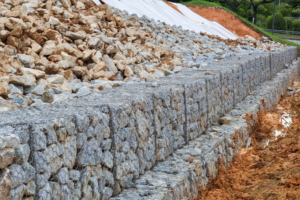
- Full service capabilities (not just trees, but concrete, stone, retaining walls and excavation)
You’re not buying just “tree removal” — you’re buying a ready-for-action lot.
Conclusion
If you’re a homeowner in the Austin and Central Texas region ready to clear land for your next step—whether building a dream home, opening up acreage, reducing fire risk or improving access—the team at Texas Land Works is equipped and ready. From the first site visit through clearing, debris removal, grading, and hand-off to your builder or contractor, we’ve got the gear, know-how and local savvy to do it right.
To get started today, call (830) 224-2220 or email bill@texaslandworks.com. We look forward to helping you clear the way to your property’s next chapter.