If you are researching retaining walls San Antonio TX, you are likely dealing with sloped land, drainage issues, or soil movement on your property. In South Texas, retaining walls are not just a landscaping feature. They are often a structural necessity.
This guide explains how retaining walls work, when they are needed, how they support erosion control, and what goes into proper retaining wall design for San Antonio properties.
Why Retaining Walls Are Common in San Antonio TX
San Antonio has a unique combination of soil conditions, elevation changes, and heavy rainfall events. These factors make erosion and water runoff common problems for both residential and commercial properties.
Retaining walls are frequently used to:
- Stabilize sloped yards
- Prevent soil erosion
- Manage water drainage
- Protect foundations and structures
- Create usable outdoor space
In many cases, a properly built retaining wall prevents long-term property damage that would be far more expensive to repair later.
How Retaining Walls Support Erosion Control
Erosion control is one of the most important functions of retaining walls.
Without a retaining wall, soil can slowly wash away during storms, leading to:
- Uneven ground
- Exposed tree roots
- Cracked walkways
- Foundation stress
These walls hold soil in place and redirect water flow, reducing the impact of runoff during heavy rain. In San Antonio, where sudden downpours are common, erosion control is not optional for sloped properties.
Signs You May Need a Retaining Wall
Many property owners wait too long before addressing erosion or slope issues. Common warning signs include:
- Soil shifting or sinking
- Water pooling at the base of slopes
- Cracks in landscaping or hardscaping
- Leaning fences or walls
- Exposed roots or washed-out soil
If you notice these issues, retaining walls may be necessary to prevent further damage.
Retaining Wall Design: Why Planning Matters
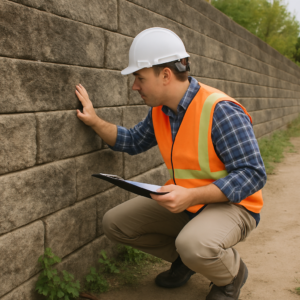
Effective retaining wall design goes far beyond stacking blocks or stone.
A well-designed retaining wall considers:
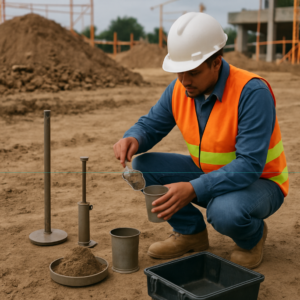
- Soil composition
- Wall height and load pressure
- Drainage systems
- Property layout
- Long-term durability
Poor design is one of the main reasons retaining walls fail. Walls that lack proper drainage or reinforcement often bow, crack, or collapse over time.
In San Antonio, retaining wall design must account for clay-heavy soils and water movement to ensure long-term performance.
Common Retaining Wall Materials Used in San Antonio
Different materials are used depending on function, appearance, and budget.
Concrete Retaining Walls
Durable and long-lasting. Ideal for structural support and higher walls.
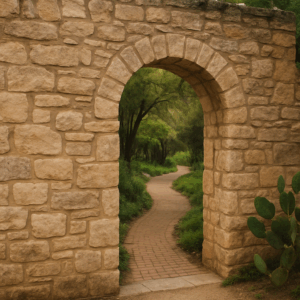
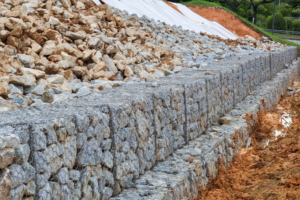
Stone Retaining Walls
Popular for natural aesthetics. Works well for landscaping and moderate slopes.
Segmental Block Walls
Engineered blocks designed for stability and drainage. Common in residential applications.
Material choice affects not only appearance but also performance and maintenance.
How Much Do Retaining Walls Cost in San Antonio TX?
Costs vary depending on several factors, including:
- Wall height and length
- Soil conditions
- Material selection
- Drainage requirements
- Site accessibility
Short decorative walls cost less than tall structural walls designed for heavy loads. Proper design and installation upfront often reduce long-term maintenance and repair costs.
Retaining Walls vs Grading Alone

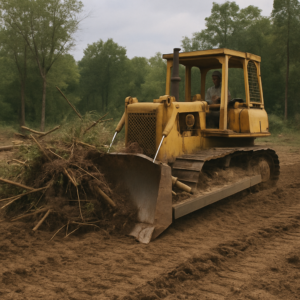
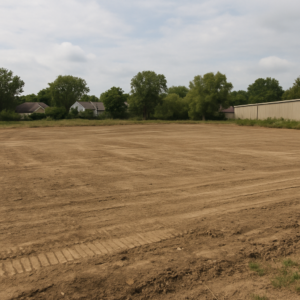
Some properties may benefit from grading alone, but grading is not always enough.
This walls are often required when:
- Slopes are steep
- Space is limited
- Soil erosion is severe
- Structures are nearby
In many cases, retaining walls and grading work together to create a stable and functional property layout.
Drainage and Retaining Walls Go Hand in Hand
Drainage is critical to retaining wall success.
Without proper drainage, water builds pressure behind the wall, leading to failure. A professional retaining wall design includes drainage systems that allow water to move safely away from the structure.
In San Antonio’s climate, ignoring drainage is one of the fastest ways to shorten a retaining wall’s lifespan.
Do Retaining Walls Require Permits in San Antonio TX?
Permit requirements depend on wall height, location, and property zoning. Some retaining walls may require engineering approval or city permits, especially if they exceed certain height thresholds or support structural loads.
Working with a local contractor helps ensure all requirements are addressed before construction begins.
Why Local Experience Matters for Retaining Walls San Antonio TX
Local soil knowledge and climate experience are critical.
Contractors familiar with retaining walls San Antonio TX understand:
- Regional soil behavior
- Drainage challenges
- Local building expectations
- Long-term performance concerns
This experience leads to safer construction and fewer future issues.
Retaining Walls in San Antonio TX
Retaining walls are more than a landscaping upgrade. They are a structural solution for erosion control, property protection, and long-term stability.
Proper retaining wall design, correct material selection, and professional installation make the difference between a wall that lasts decades and one that fails prematurely.
If you are planning to retain walls on your property, working with a team that understands San Antonio conditions can save time, money, and stress.
Conclusion
If you are planning to retain walls in San Antonio TX and want a solution built for local soil conditions, drainage needs, and long-term stability, Texas Land Works provides professional retaining wall design and installation you can trust. Call (830) 460-5022 or email bill@texaslandworks.com to request a quote and discuss the right retaining wall solution for your property.