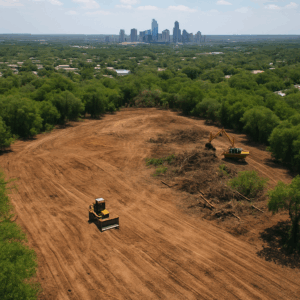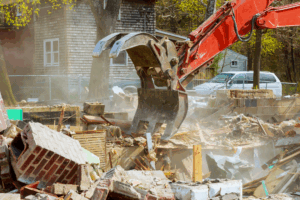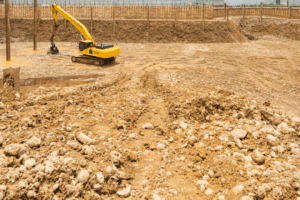
Clearing land before construction is no longer just about cutting trees and pushing dirt. In 2025, the land clearing process is a carefully planned, highly technical, and environmentally responsible stage that lays the foundation for a successful build. From drone surveys and selective clearing to advanced land clearing equipment and strict erosion controls, proper land preparation ensures that your home’s foundation rests on stable ground, your site is compliant with regulations, and long-term issues are prevented.
At Texas Land Works, we provide full-service land clearing tailored for Texas homeowners and developers. Here’s what you need to know about how land clearing is done today, and why choosing the right contractor makes all the difference.
Why Land Clearing Is So Important Before Construction
Building a home starts with choosing the right lot, but no construction can begin until the land is prepared. Professional land clearing services accomplish more than just removing trees or brush:
- Safety and Accessibility: Construction equipment cannot operate effectively if vegetation, stumps, or debris remain.
- Preventing Future Issues: Roots, stumps, or improper grading can cause cracks in foundations, drainage failures, and regrowth problems.
- Drainage and Soil Control: Grading ensures water flows away from the home, preventing flooding and erosion.
- Compliance: Local regulations may require permits, erosion control plans, and inspections before clearing.
Put simply, a properly executed land clearing process sets the stage for smooth construction, cost savings, and long-term stability.
Step-by-Step: The Land Clearing Process in 2025
The land clearing process in 2025 combines traditional methods with modern technology to deliver faster, cleaner, and more sustainable results. Here’s a detailed look at the stages:
1. Site Assessment and Planning
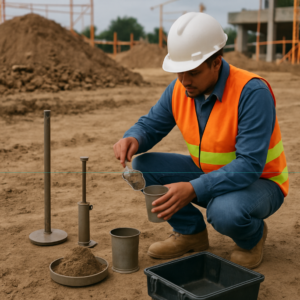
The process begins with a full evaluation of the property. Contractors often use drone mapping and GPS surveys to measure topography, identify obstacles, and map out utilities or protected areas. Soil tests may also be performed to determine compaction needs and drainage capacity.
2. Permits and Regulations
Many municipalities require permits before land clearing can begin. In areas near water bodies or protected habitats, erosion control plans and environmental approvals are essential. Working with a licensed contractor ensures compliance and avoids fines.
3. Vegetation Removal
Trees, shrubs, and underbrush are cleared using a mix of methods:
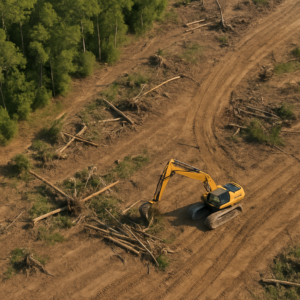
- Forestry Mulching: Specialized machines grind vegetation into mulch, which remains on site as ground cover. This is a favored eco-friendly option in 2025.
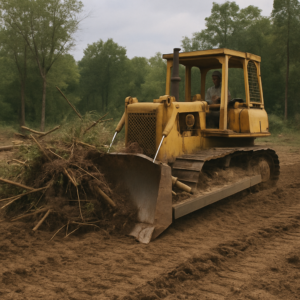
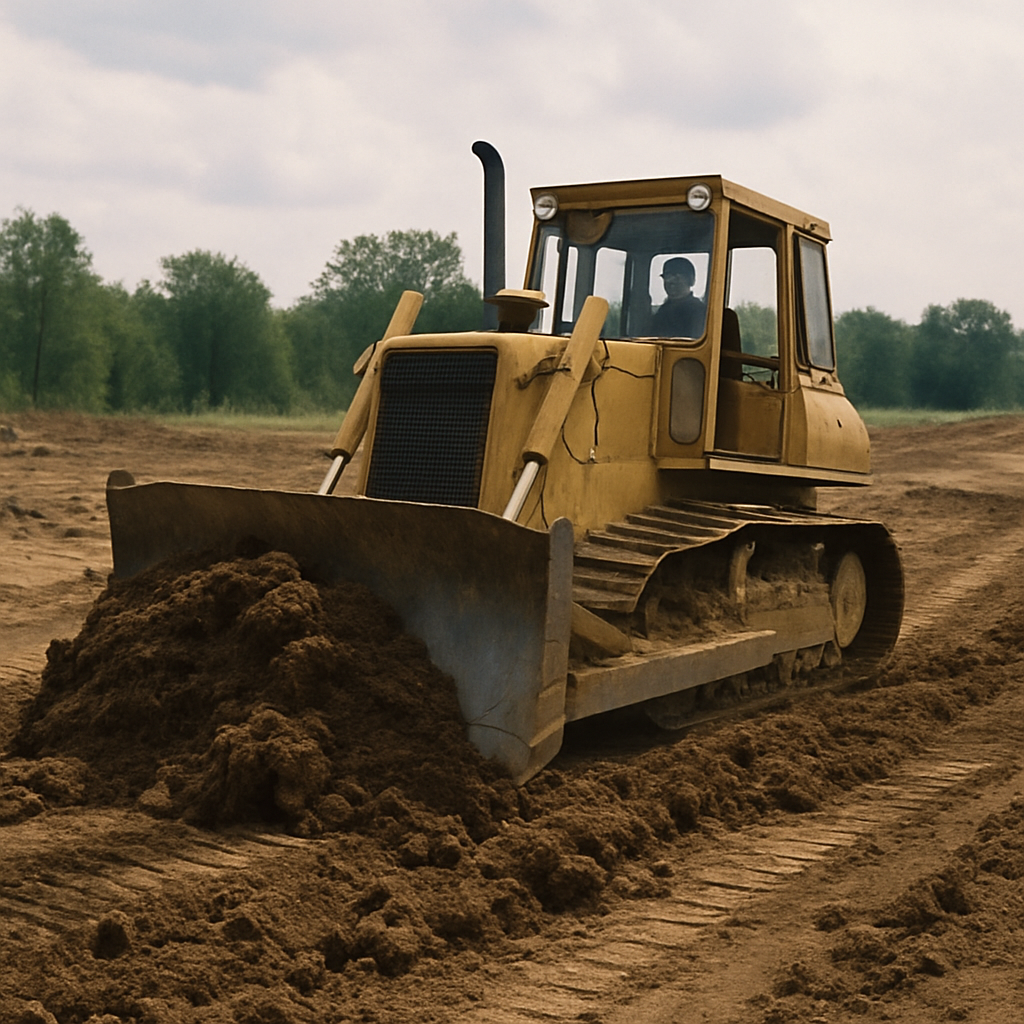
- Dozing and Grubbing: Bulldozers push over trees and excavators dig out roots and stumps.
- Cut-and-Grind: Larger trees are cut, then ground or hauled off site.
- Manual Clearing: Hand tools and chainsaws are used near structures or areas requiring precision.
Each approach has its advantages. For example, forestry mulching leaves organic matter behind to reduce erosion, while dozing is faster for large, open tracts.
4. Stump and Root Removal
Removing roots is critical to prevent regrowth. Contractors may use stump grinders, root rakes, or excavators to completely eliminate underground systems. Holes are then backfilled and compacted.
5. Rough Grading
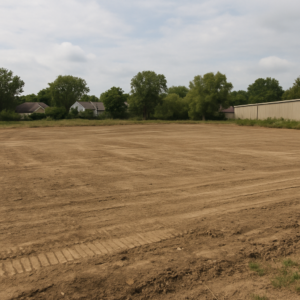
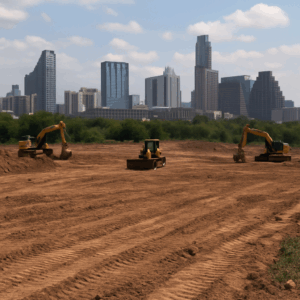
Once vegetation and roots are cleared, the land is reshaped with bulldozers and graders. The goal is to balance cut-and-fill, ensuring slopes direct water away from the building site.
6. Finish Grading and Soil Compaction
This stage smooths the surface and compacts soil to foundation standards. Compaction prevents settlement issues, while fine grading ensures even drainage and prepares the lot for construction.
7. Erosion and Sediment Control
Exposed soil is vulnerable to erosion. Best practices in 2025 include installing silt fences, erosion blankets, straw wattles, and temporary seeding. These measures protect soil and comply with local stormwater regulations.
8. Utility Preparation and Access Roads
Contractors trench for utilities like water, sewer, and power lines, and often create temporary access roads for equipment. This ensures the site remains workable throughout construction.
9. Final Inspection and Cleanup
The site undergoes inspection by authorities, and contractors handle final debris removal and erosion control maintenance. At this point, the land is ready for foundation work.
Land Clearing Equipment Used in 2025
One of the most common questions we hear is: what equipment is used in the land clearing process? The answer depends on the project size, vegetation density, and site conditions, but here’s a breakdown:
by Bermix Studio (https://unsplash.com/@bermixstudio)
- Forestry Mulchers: These machines grind trees and brush into mulch, reducing waste and erosion.
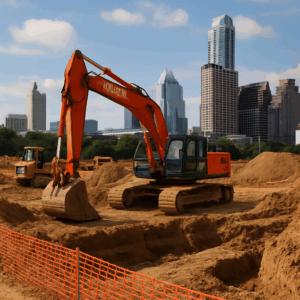
- Excavators with Attachments: Stump grinders, grapples, and mulching heads make excavators versatile tools.
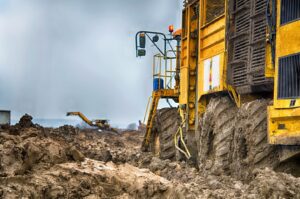
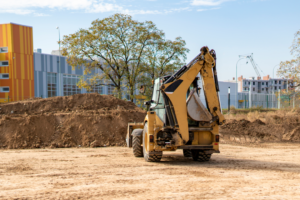
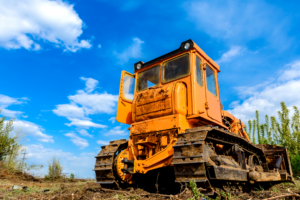
- Bulldozers: Ideal for pushing vegetation, grading large tracts, and handling rough terrain.
- Graders: Used for precise leveling of slopes and roads.
- Skid Steers: Compact and versatile, especially in smaller or tighter areas.
- Stump Grinders and Root Rakes: Essential for thorough root removal.
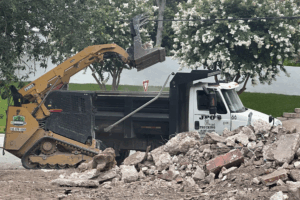
- Dump Trucks: For hauling away soil, rock, or debris when on-site recycling isn’t possible.
- Drones and GPS Tools: While not heavy equipment, drones are vital for mapping, and GPS technology improves grading accuracy.
Modern equipment doesn’t just get the job done faster—it also reduces soil disturbance, limits environmental impact, and improves accuracy.
Trends in Land Clearing in 2025
Land clearing has evolved significantly in recent years. Some notable trends include:
- Wider Use of Forestry Mulching: Favored for its eco-friendly benefits, mulching has become a top method for residential lots.
- Precision Technology: GPS-guided equipment and drone surveys minimize over-clearing and improve efficiency.
- Selective Clearing: Instead of stripping everything, contractors often preserve healthy trees and natural buffers.
- Sustainability Focus: Recycling organic matter, controlling erosion, and minimizing soil disturbance are now industry standards.
- Hybrid and Electric Equipment: New machines are emerging that reduce emissions and noise, especially in suburban neighborhoods.
Questions to Ask Before Hiring Land Clearing Services
Hiring the right contractor is essential. Before signing a contract, homeowners should ask:
- What’s included in your scope—stump removal, grading, erosion control?
- Which clearing method will you use, and why?
- Do you handle permitting and regulatory compliance?
- Will debris be mulched, hauled away, or left on-site?
- How do you prevent erosion after clearing?
- Can you provide references or examples of past projects?
Asking these questions ensures you understand exactly how the land clearing process will be handled, avoiding hidden costs or delays.
Challenges in Land Clearing
Even with advanced methods, clearing land comes with risks:
- Hidden Obstacles: Rocks, old foundations, or buried utilities may complicate work.
- Weather Delays: Heavy rain can halt clearing or cause erosion.
- Regulatory Hurdles: Delays in permitting can stall projects.
- Erosion Issues: Without proper control, soil runoff can damage nearby properties.
An experienced contractor anticipates these challenges and builds solutions into the project plan.
Why Choose Texas Land Works
At Texas Land Works, we specialize in land clearing services across Texas, from San Antonio to Houston, Austin, and Dallas. Here’s why clients trust us:
by Roger Starnes Sr (https://unsplash.com/@rstar50)
- Full-Service Solutions: We handle clearing, grading, erosion control, and site preparation in one package.
- Modern Equipment: Our fleet includes advanced land clearing equipment for efficiency and precision.
- Local Expertise: We understand Texas soils, vegetation, and regulatory requirements.
- Sustainable Practices: Forestry mulching, selective clearing, and erosion control are part of our standard approach.
- Transparent Pricing: No hidden fees—just clear, honest estimates.
Get Started with Texas Land Works
In 2025, the question “how is land clearing done?” has a detailed, modern answer. It’s a process involving careful planning, advanced equipment, and responsible practices that prepare your lot for a safe, stable, and compliant home build.
If you’re ready to build and need trusted land clearing services in Texas, Texas Land Works is here to help. Call us today at (830) 224-2220, email us at bill@texaslandworks.com, or reach out through our contact page. We’ll provide a free estimate and walk you through the land clearing process step by step.