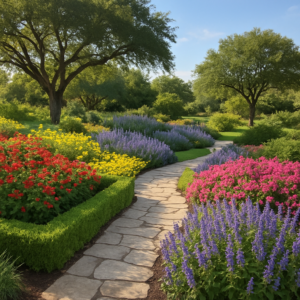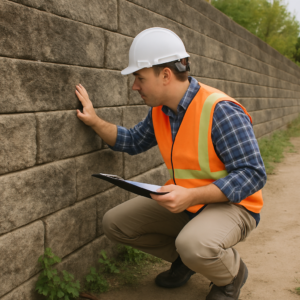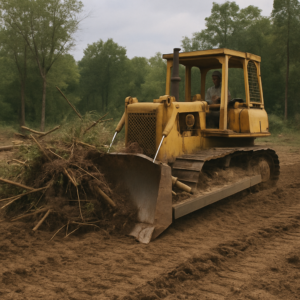
If you’re a homeowner in the San Antonio area planning outdoor stonework—whether for a patio, retaining wall, stone veneer, or hardscape pathway—understanding the outdoor stonework cost in San Antonio is key to getting the most value. This contractor-level guide explains pricing, materials, and project factors so you can plan with confidence. By the end, you’ll know what affects the cost of stonework, how to budget effectively, and why partnering with Texas Land Works ensures long-lasting quality and design excellence.
The True Value of Outdoor Stonework
Outdoor stonework can completely transform your property. From natural patios to decorative retaining walls, it adds durability, structure, and timeless aesthetic appeal. However, many homeowners find planning and budgeting overwhelming because of multiple cost variables like stone type, site conditions, and labor requirements.
This guide breaks down what to expect for outdoor stonework costs in San Antonio—plus how to maximize your investment with professional guidance from Texas Land Works.
Typical Cost Range for Outdoor Stonework in San Antonio
The outdoor stonework cost San Antonio depends on project type, materials, and complexity. Below are realistic price ranges local homeowners can expect.
Patios, Walkways & Flagstone Hardscape
Outdoor patios and pathways are among the most common stone projects. In San Antonio, natural stone patios typically cost between $15 and $35 per square foot, depending on materials and craftsmanship.
That means:
- A 300-square-foot stone patio could range from $4,500 to $10,000+.
- More intricate designs or premium stones like travertine or slate increase pricing.
Costs include both labor and materials, with custom edging, patterns, and drainage work adding to the final total.
Retaining Walls & Structural Stone Features
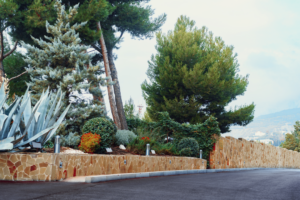
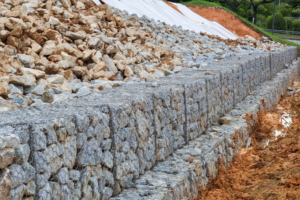
Retaining walls offer both beauty and functionality, especially for sloped Texas yards. In the San Antonio area, prices range from $25 to $40 per square foot of wall face.
A 20-foot-long, 3-foot-tall wall equals about 60 square feet—typically $1,500 to $2,500, depending on stone type and site conditions. Higher-end finishes or complex structural needs may exceed $3,000.
Stone Veneer & Finishing Stonework
Stone veneer provides the look of natural stone without the structural load. It’s perfect for accent walls, columns, and facades. In San Antonio, expect to pay $18 to $38 per square foot for stacked stone veneer, including materials and labor.
Veneers are popular because they’re lighter, quicker to install, and easier to customize for existing structures.
Key Factors That Influence Stonework Costs
When working with experienced professionals like Texas Land Works, you’ll find that multiple elements impact your overall cost. Understanding these helps you plan realistically and avoid surprise expenses.
Material Selection & Quality
The stone you choose greatly affects cost.
- Natural stones (flagstone, cut limestone, or slate) are typically more expensive but deliver unmatched authenticity and longevity.
- Manufactured stone or veneer is more budget-friendly and ideal for decorative applications.
- Unique colors, imported materials, or patterned stones add premiums.
Beyond the stone itself, factor in delivery, waste, and cutting labor—all of which can raise material costs.
Design Complexity & Craftsmanship
Simple square patios cost less than intricate layouts with borders, curves, or mixed materials. Custom patterns, stone trimming, and finishing edges add time and precision labor.
Retaining walls that include steps, lighting, or built-in seating will naturally push your project toward the higher end of the range.
Site Conditions & Preparation
This is one of the biggest cost variables in San Antonio. Yards with slopes, poor soil, or rocky limestone layers require more grading and excavation. Accessibility for heavy equipment also affects time and labor.
Proper sub-base preparation—including gravel compaction and drainage setup—is essential for durability. Cutting corners here can lead to long-term structural issues.
Drainage, Retaining, and Structural Requirements
Retaining walls or sloped properties often need engineering work—such as footings, geogrid reinforcement, and water drainage systems. These steps ensure safety and prevent erosion but increase cost.
Even for patios, integrating basic drainage and slope correction can save future repair costs.
Labor & Market Conditions
San Antonio’s skilled masons are in demand, especially for intricate stone works San Antonio projects. Labor rates reflect both skill and precision, making it worth investing in professionals who understand local materials and soil behavior.
Finishing Touches & Add-Ons
Extra features—like lighting, seating walls, coping stones, irrigation adjustments, and sealing—add to cost but elevate the final appearance and function of your space.
Cleanup, haul-off, and post-project sealing may also be included in your quote.
How to Budget for Your Outdoor Stonework Project
Before hiring a contractor, having a clear plan helps you stay within budget and make informed decisions.
Define Your Project Scope
Identify whether you’re building a stone patio, retaining wall, walkway, or full backyard renovation. The type of structure determines pricing and materials.
Measure the Area
Accurate measurements ensure realistic estimates.
For example:
- A 300 sq. ft. patio at $20 per sq. ft. = $6,000.
- A 60 sq. ft. retaining wall at $30 per sq. ft. = $1,800.
Assess Site Conditions
Flat, easily accessible sites are quicker and cheaper to work on. Sloped or rocky terrain adds equipment time and labor.
Select Materials Thoughtfully
Choose local or regional stones for consistency and cost savings. Locally sourced limestone, for example, is durable, beautiful, and readily available for San Antonio landscaping projects.
Request Detailed Quotes
When comparing contractors, ensure each quote includes:
- Stone type and quantity
- Sub-base and drainage prep
- Labor and installation breakdown
- Finishing materials and cleanup
Texas Land Works provides clear, itemized estimates with transparent communication throughout the process.
Add a Contingency Budget
Always reserve an extra 10–15% for unforeseen challenges, like rock excavation or design changes discovered mid-project.
Example Cost Breakdown for Common Stonework Projects
| Project Type | Approx. Size | Typical Cost Range (San Antonio) | Notes |
| Basic stone patio | 300 sq. ft. | $4,500 – $9,000 | Based on $15–$30 per sq. ft. |
| Premium stone patio | 300 sq. ft. | $9,000 – $12,000+ | Complex patterns or high-end materials |
| Stone retaining wall | 20 ft x 3 ft | $1,500 – $2,500 | $25–$40 per face sq. ft. |
| Stone veneer accent wall | 100 sq. ft. | $1,900 – $3,800 | Includes materials and labor |
| Full hardscape project | Variable | $15,000 – $50,000+ | Multiple features (fire pit, wall, patio) |
Why Hire a Full-Service Contractor
Working with a full-service provider like Texas Land Works ensures consistency, accountability, and high-quality results.
Advantages include:
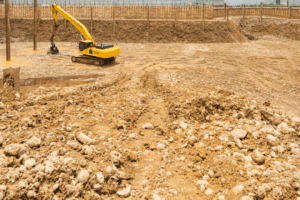
- Site preparation expertise: From excavation to grading, their team handles every phase.
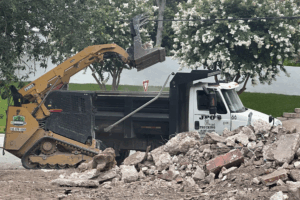
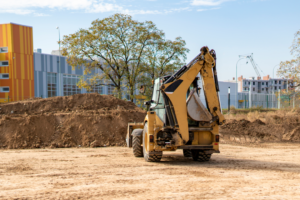
- Heavy equipment access: Specialized tools for cutting, lifting, and leveling stone.
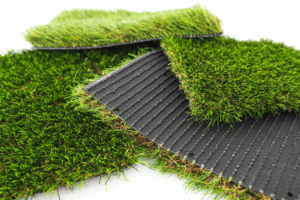
- Integrated services: Beyond stonework, Texas Land Works offers concrete, retaining walls, drainage, and artificial turf.
- Local experience: Knowledge of San Antonio’s soil and building conditions ensures efficient, compliant work.
- Guaranteed quality: Professional installation prevents cracking, shifting, or settling over time.
- Transparent communication: Every step, from quote to final inspection, is documented and clear.
by Oladipo Adejumo (https://unsplash.com/@eniyato)
Planning Tips to Maximize Value
Follow these professional recommendations to stretch your budget while maintaining quality:
- Keep designs simple. Straight edges and square shapes reduce labor and material waste.
- Use local materials. Choosing Texas-sourced stone saves money and aligns with the natural landscape.
- Plan for drainage early. Proper slope and runoff systems prevent costly water issues.
- Bundle projects. Combining a patio and retaining wall under one contract can lower overall costs.
- Request maintenance guidance. Ask about sealing schedules or cleaning methods for longevity.
- Avoid mid-project changes. Finalize your design before work begins to avoid added costs.
- Schedule strategically. Booking in off-peak seasons can yield faster turnaround and better rates.
Common Mistakes to Avoid
Even with a strong plan, homeowners sometimes overlook critical factors. Avoid these pitfalls:
- Hiring the lowest bid without comparing scope or materials
- Skipping sub-base or drainage work
- Ignoring local site conditions or permitting
- Failing to confirm contract terms in writing
- Underestimating material waste and cutting losses
- Delaying maintenance or sealing, which leads to faster wear
Why Outdoor Stonework Adds Value
Quality stonework is more than just aesthetic—it’s an investment that enhances property functionality and resale appeal.
Top benefits include:
- Boosted curb appeal and timeless design
- Long-lasting durability with minimal upkeep
- Defined outdoor living spaces (patios, seating areas, walls)
- Structural reinforcement for sloped properties
- Strong ROI for resale and lifestyle enjoyment
When installed by professionals like Texas Land Works, your outdoor stonework becomes both a visual centerpiece and a lasting structural feature.
Conclusion
Outdoor stonework is one of the most rewarding ways to improve your home’s value and outdoor appeal. Whether you’re creating a flagstone patio, decorative wall, or full hardscape design, choosing the right contractor determines how well your investment holds up over time.
At Texas Land Works, we provide expert design, professional installation, and full-service site preparation across the San Antonio area. From stone selection to completion, our team ensures your project is built to last.
Call (830) 224-2220 or email bill@texaslandworks.com to request a free consultation. When you’re ready, reach us directly via our contact page. Let’s build your vision with precision, durability, and style.