Essential Guide to Tree Removal San Antonio
In San Antonio, tree removal is more than just a landscaping task. It’s a crucial service that ensures safety, preserves aesthetics, and maintains the health of local ecosystems.

Emergency situations, such as storms or disease, often necessitate immediate tree removal. However, this process is not as simple as it may seem. It requires professional expertise, adherence to local regulations, and careful consideration of the ecological impact.
Tree stump removal and tree trimming are also essential services in San Antonio. They contribute to the overall appearance and safety of properties. Moreover, they play a significant role in tree health and longevity.
This guide aims to provide comprehensive information on these topics. It’s designed to help homeowners, property managers, and landscaping enthusiasts in San Antonio make informed decisions when it comes to tree removal.
Whether you’re dealing with an emergency or planning routine maintenance, understanding the intricacies of tree removal is key. Let’s delve into the essential guide to tree removal in San Antonio.
Understanding Tree Removal in San Antonio
Tree removal in San Antonio isn’t merely about aesthetics. It’s a safety measure that prevents potential hazards. Removing trees also helps manage disease and pest infestations, which can affect other trees and plants in the vicinity.
This process also involves careful planning and professional judgment. The expertise of arborists plays a vital role in assessing tree health and determining the best course of action.
Legal and ecological considerations are equally significant. San Antonio has specific regulations that govern tree removal to ensure environmental protection.
Moreover, tree removal impacts local ecosystems, so decisions must be made thoughtfully. Protecting wildlife and preserving biodiversity should always be part of the plan.
When is Tree Removal Necessary?
Several scenarios necessitate tree removal. Trees that are dead or dying pose serious risks and should be removed.
Severe weather can damage trees, making them unstable. Storm-damaged trees often require immediate removal to prevent accidents.
In some cases, trees may outgrow their location or roots may threaten structural integrity. In such instances, tree removal becomes necessary to safeguard property.
Diseased trees also warrant removal to stop the spread of diseases to healthy trees. Regular assessments help determine necessity.
Legal Requirements and Permits
In San Antonio, tree removal often requires a permit. These permits ensure that the ecological balance is maintained.
Failure to obtain a necessary permit can lead to fines and legal issues. It’s important to consult local regulations before proceeding.
Some trees, particularly heritage or protected species, have additional restrictions. Arborists can provide guidance on the legal requirements.
Permitting processes typically involve a site assessment and formal application. Engaging with professionals ensures adherence to all legal obligations.
The Tree Removal Process
The tree removal process starts with a comprehensive site evaluation. This ensures the best approach for safe and efficient removal.
After assessment, the removal plan is developed. This includes deciding whether the tree will be cut in sections or felled in one piece.
Safety is paramount throughout the operation. Professionals use specialized equipment to handle large branches and heavy trunks.
Coordination and communication with homeowners are crucial during this phase. Understanding homeowner preferences and concerns is a priority.
Final steps involve thorough cleanup, leaving the site safe and clear of debris.

Assessing the Tree
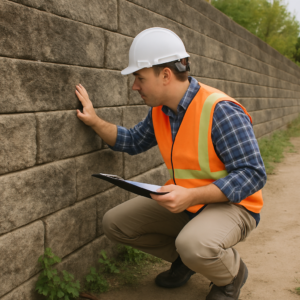
Tree assessment involves analyzing tree health and structural integrity. Professionals check for signs of disease, decay, or instability.
A visual inspection helps identify which branches, if any, might pose a danger. Arborists may use tools to assess internal tree health.
This step helps determine the best removal method. Accurate assessment minimizes risk to property and ensures eco-friendly practices.
Cutting and Clearing
Cutting involves methodically removing sections of the tree. This ensures controlled descents, reducing the risk of damage.
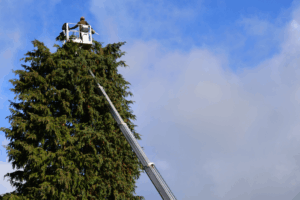
Professional teams use chainsaws and rigging to safely lower branches and trunk sections. Each cut is planned to maintain safety.
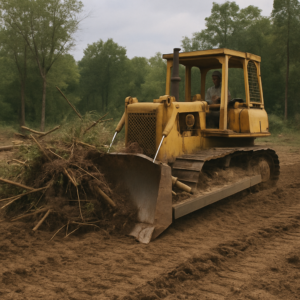
Clearing follows cutting. It involves removing debris and ensuring the area is free of hazards. Safety protocols are strictly followed throughout this stage.
Emergency Tree Removal
Emergency tree removal is critical when trees become an immediate risk. Severe storms or unexpected damages often prompt these emergencies. Quick action ensures safety for people and property.
It’s essential to recognize when a tree becomes hazardous. Fallen or leaning trees require prompt attention. Immediate removal minimizes further risks and damages.
Professional services have the expertise for urgent situations. They deploy quickly to manage these dangerous conditions. Their specialized equipment and skills make them invaluable.
Homeowners should always prioritize safety and call experts for emergencies. Attempting DIY removal can lead to injuries and further damages.

Identifying Emergency Situations
Recognizing emergency situations involves assessing the immediate risks. Leaning trees that threaten structures indicate urgent need. Cracks in trunks suggest imminent falling risks.
Storms often leave trees unstable and damaged. Heavy winds and lightning can fracture branches. These situations demand quick and professional response.
Consider weather forecasts and damage reports. These help identify potential dangers. Regular inspections also help prevent emergency situations.
Responding to Emergencies
Effective emergency response requires a quick and safe approach. Contact a professional service immediately. They offer both assessment and removal.
Professionals prioritize securing the area first. They ensure everything is safe before proceeding. This helps prevent further property damage or injuries.
Having an emergency plan for tree-related issues is wise. A reliable tree service’s contact information is essential. They can provide the necessary support during crises.
Tree Stump Removal Options
Tree stump removal is key to a clean, safe yard. Stumps left behind can lead to safety hazards and unsightly landscapes. Many homeowners may struggle with this common issue.
Removing stumps reduces pest infestation risks. Insects often make stumps their home. Immediate removal diminishes these pest problems.
Stump removal also enhances property aesthetics. Clean landscapes boost curb appeal significantly. It’s a crucial step following any tree removal service.
Different methods can be employed for stump removal. Each method fits a specific situation or preference. It’s important to choose the right one for your needs.
Professional services ensure thorough and efficient stump removal. They have the expertise and tools necessary for the job. Always consider hiring experts for best results.

Methods of Stump Removal
Multiple methods exist to remove stumps effectively. Grinding is a popular choice for many. It uses a machine to grind the stump into wood chips.
Chemical treatments dissolve the stump gradually. These are useful for less urgent removals. They take longer but are less labor-intensive.
Manual removal involves physical labor to dig out stumps. It’s suitable for smaller stumps. This method demands effort and basic tools.
Selecting the proper method depends on several factors. Consider stump size, urgency, and your willingness to invest effort. Professional consultation can help determine the best approach.
Tree Trimming in San Antonio
Tree trimming in San Antonio plays a vital role in maintaining healthy landscapes. It prevents overgrowth and minimizes risks. Proper trimming encourages better growth and safety.
Neglecting trimming can lead to safety hazards. Overgrown branches may fall during storms. This puts property and people at risk.
Regular trimming also improves tree aesthetics and property appeal. Well-trimmed trees offer a neat appearance. It’s a simple way to enhance your landscape.
Selecting the right service ensures excellent tree care. Professionals know how to trim effectively. Hiring experts benefits your trees and your safety.

Benefits of Regular Trimming
Regular tree trimming helps maintain tree health. It removes dead and diseased branches. This promotes stronger, healthier growth.
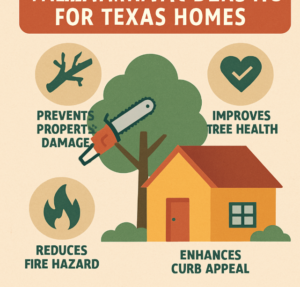
It also reduces potential hazards around your property. Carefully trimmed trees withstand wind and storms better. This reduces the risk of damage.
Aesthetic improvement is another key benefit. Neat and balanced tree canopies enhance visual appeal. This increases your property’s curb appeal significantly.
Choosing a Tree Removal Service
Selecting the right tree removal service in San Antonio is crucial. Professionalism ensures safety and efficiency. Research helps identify reputable providers.
Check for experience and expertise. Experienced companies handle various tree challenges. This includes difficult removals and emergencies.
Reputation matters too. Look for reviews and testimonials. They provide insights into customer satisfaction.
Lastly, consider their service offerings. Comprehensive services cover all your needs. This includes tree removal, trimming, and stump removal.
What to Look for in a Service Provider
Ensure the provider is licensed and insured. This guarantees compliance with regulations and protects you.
Check for trained arborists on staff. Their expertise is vital for quality service. They understand tree biology and care.
Evaluate their equipment and technology. Modern tools enhance safety and efficiency. They enable precise and swift removals.
Customer service is another key factor. Responsive and communicative providers are preferable. They ensure your needs and queries are addressed promptly.
Conclusion: The Importance of Professional Tree Care
Professional tree care is essential for maintaining safe and beautiful landscapes. Expert services ensure the health and longevity of your trees.
Trained arborists offer invaluable knowledge. They help in making informed decisions about tree health and removal.
Ultimately, investing in professional tree care enhances your property. It ensures safety, boosts curb appeal, and preserves the environment.